The Hidden Tax of Bad Data!
Why Investing in MDM Pays Off Now More Than Ever

Shen Pandi
October 16, 2025
You’ve probably heard about Master Data Management (MDM) for years, and frankly, you might be tired of it. It’s often seen as a complex, unglamorous IT project. But now, in the age of AI, ignoring MDM is a risk you can no longer afford.
The game has changed: it’s no longer just about internal efficiency; it’s about your very competitiveness. If you want your business to lead, you must prioritize getting your data house in order now.
Hitachi's HARC Agents Bring Reliability to Agentic AI
On September 10, 2025, Hitachi Digital Services launched HARC Agents, an enterprise platform that accelerates the deployment of trusted, mission-critical Agentic AI by 30%.
The platform combines four key services, including a new library of over 200 pre-built agents spanning Industrial AI, Operations AI, Engineering AI, Analytical AI, Security AI, and Cloud AI, and a new Agent Management System for unified observability and control.
At in-person event “From Pilots to Autonomous Operations” conducted by Hitachi Digital Services, Roger Lvin, CEO, highlighted the platform delivers operationalized AI that scales and drives real business value, while Premkumar (Prem) Balasubramanian, CTO, emphasized while easy for anybody to build PoC it requires robust engineering and devops at scale to deploy AI production securely with reliable foundation that is deeply integrated across IT and OT environments.
The platform is basked by stellar leadership of executives like Duncan Mears, SVP and Patrick Corcoran, Hitachi Digital Services Champion, leveraging Hitachi's decades of system integration and AI expertise to ensure enterprises can confidently harness AI at scale.
What is MDM?
Master Data Management (MDM) is the disciplined framework of technologies, governance, and processes that an organization uses to create a single, trusted, and authoritative source for its core business entities, known as master data.
Distinction from Other Data:
Transactional Data: Records business events (e.g., a sale, an invoice).
Analytical Data: Aggregates events for reporting and analysis.
Master Data: Is the core reference data that gives meaning to those events and analyses.
Practical Example: MDM ensures "Customer A" is identified, defined, and described identically in your CRM, billing system, and shipping log.
Ultimate Goal: To create and enforce a "golden record" that is consistently used across the entire organization's applications and processes.
The MDM Process: A continuous cycle of:
Identifying data from multiple sources.
Cleansing, standardizing, and deduplicating it.
Syndicating the verified master record back to all systems.

I hope you got an idea about MDM.
Now, let’s understand why you need to invest in it to have an edge in business.
Why MDM is Your New AI Emergency?
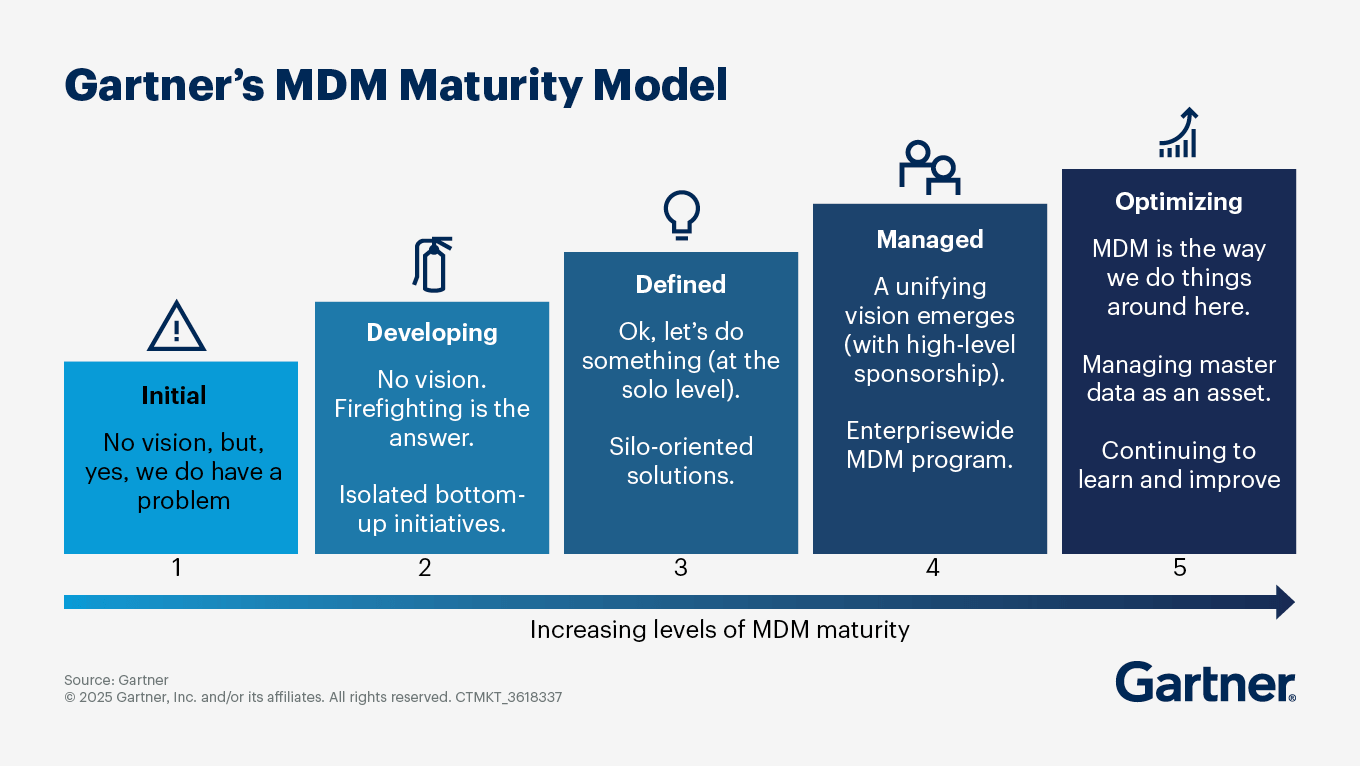
We have moved from an era where data quality was a backend concern to one where it is the bedrock of competitive advantage. The consequence of messy data has escalated from internal friction to the complete inability to deploy the AI systems that will define the next decade of business.
AI doesn't just use data; it amplifies it. If you feed it flawed, siloed, or inconsistent data, it will produce flawed, unreliable, and potentially dangerous outcomes at scale.
An AI model doesn't know that "Cust" in one system and "Customer" in another refer to the same entity; it will treat them as separate, leading to fragmented customer views and misguided strategies.
The stakes are terrifyingly real. Through 2026, Gartner expects 60% of AI projects that lack AI-ready data to be abandoned.
You can have the most advanced AI models money can buy, but without a foundation of clean, governed data, they are destined to fail.
The Private Equity Imperative: Why MDM is a Core Value Creation Lever?
For Private Equity firms, this discussion must be reframed. It isn't an IT discussion; it's a fundamental due diligence and value creation imperative.
A portfolio company with chaotic, ungoverned data represents a massive hidden liability that directly threatens your investment thesis and exit multiple.
When you acquire a company, you are not just buying its physical assets and revenue streams; you are acquiring its data. In the 21st century, that data is often one of its most significant, albeit intangible, assets.
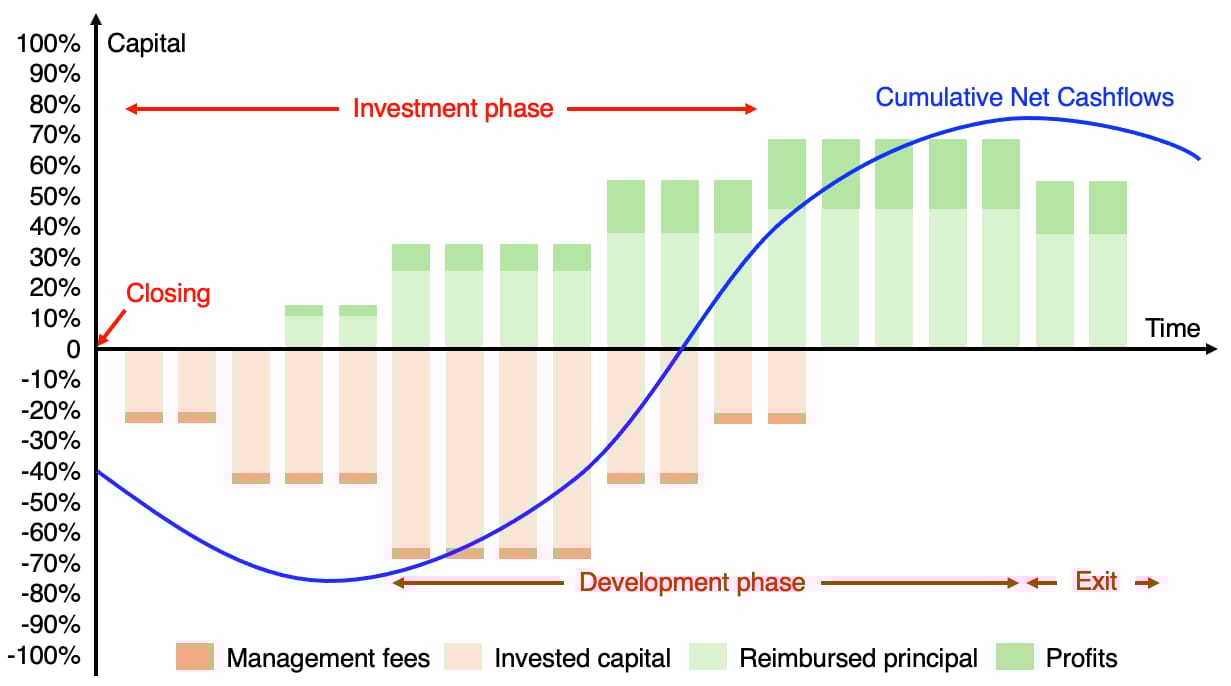
The traditional PE playbook focuses on financial engineering, operational improvements, and market consolidation to boost EBITDA. However, this playbook is now incomplete. You cannot bank on AI-driven growth or operational efficiency to justify a premium valuation if the underlying data is unreliable.
How can you implement a cost-saving AI-driven supply chain optimization if you cannot consistently identify your products or suppliers across different ERP systems? How can you execute a customer-centric growth strategy if you have five different, conflicting records for your most valuable client?
A disciplined MDM strategy is no longer a "nice-to-have" during the hold period; it is a critical lever for de-risking your investment and ensuring the company's data assets are a source of value, not a reason for a discounted sale.
This is precisely where DataManagement.AI delivers tangible ROI for your portfolio. Our platform accelerates this entire process, transforming a typically arduous MDM initiative into a rapid, value-driving project.
By providing a unified view of core data entities like Customer, Product, and Supplier, DataManagement.AI doesn't just clean data; it directly enhances due diligence, accelerates post-acquisition integration, and builds the clean, AI-ready data foundation that justifies a premium exit multiple.
It turns a portfolio company's greatest liability into its most defensible asset.
It directly impacts nearly every lever a PE firm pulls:
Accelerating Operational Improvements: Clean, unified data on "parts," "suppliers," and "products" is the prerequisite for automating and optimizing procurement, inventory management, and logistics. MDM provides the single source of truth that makes these initiatives possible and measurable.
Enabling Successful M&A Integration: The post-merger integration of two companies is, at its core, a massive data integration challenge. Without an MDM discipline, integrating customer bases, product catalogs, and financial systems becomes a nightmare of manual reconciliation, delaying synergy capture, and destroying value.
Unlocking New Revenue Streams: A unified, 360-degree view of the customer, a core output of MDM, allows for hyper-personalized marketing, targeted upsell campaigns, and the creation of new data-driven products and services, directly driving top-line growth.
Mitigating Compliance and Cyber Risk: In an era of GDPR, CCPA, and other privacy regulations, not knowing what customer data you hold, where it is, and who has access to it is a massive legal and financial risk. MDM is the foundational system for data privacy and security governance.
Your 100-day plan post-acquisition must include a rapid "data health" assessment. The goal is to transform data from a fragmented liability into a consolidated, exit-ready asset.
This means immediately shifting the portfolio company's focus from application-specific data silos to mastering core value-drivers like "customer," "product," and "supplier."
By investing in this foundational discipline early in the hold period, you don't just fix a technical problem; you build a scalable, auditable, and intelligent data foundation that directly supports higher valuation multiples by proving the company is prepared for an AI-driven future.
The Real Challenge Isn't Technology, It's Your Mindset
The biggest hurdle you face isn't finding an MDM tool; it's driving a fundamental mindset shift across your organization. You need to get your team to buy into the cost and overhead of managing data properly.

This requires you to,
Tie MDM to Tangible Business Outcomes: Stop talking about "MDM" as a technical science project. Business leaders’ eyes glaze over. Instead, frame it around the consequences they care about. Are you failing to recognize a loyal customer across different brands, like a cruise ship company missing a massive upsell opportunity? Are your insurance claims processes slow and frustrating? MDM is the fix.
Make the Cost of Inaction Clear: You must ensure stakeholders understand what failure means: falling behind competitors, providing substandard customer experiences, and facing severe compliance audits and legal action. The pain of fixing your data is far less than the pain of these business failures.
The Technical Debt Trap is Deeper Than You Think
It’s tempting to bypass a holistic MDM strategy and just "fix the data for this one project." But this is a recipe for technical disaster. You might solve an immediate problem, but you’re creating a fragmented understanding of your core business entities, your customers, your products, and your suppliers.

When you then layer AI on top of this fractured foundation, you are asking it to make recommendations and decisions based on a flawed version of reality. As one CIO put it, you end up "blindly following that data." The short-term gain leads to long-term, systemic breakdowns in your most critical systems.
This is the precise point of failure that DataManagement.AI is built to prevent. Our platform acts as the essential unification layer, transforming your fractured data into a single, trusted source of truth.

Before your AI ever processes a query, DataManagement.AI ensures it is working with accurate, consistent, and governed data, turning a potential liability into your most reliable strategic asset. Don't let flawed data dictate your decisions.
Your Path to an AI-Ready Data Foundation
So, how do you tackle this? The solution isn't just buying a tool. It's about a strategic focus on people, process, and then technology.
Start with Data Domains, Not Applications: Shift your focus from application-specific data to the core domains of your business, like "customer," "product," or "supplier." Invest in subject matter experts for these domains. These are the people who truly understand the data and can ensure its quality and meaning, turning raw data into actionable knowledge.
Automate Processes, Don’t Just Implement Tools: Look at your data management as a set of processes that need to be streamlined and automated. Once you have these processes defined, then find the tools that fit your needs, not the other way around.
Embrace Modern Governance for an Autonomous World: The nature of AI systems is autonomy. You cannot have humans manually checking every data point that feeds an AI agent. Your data governance must be rigorous and automated to ensure the data is always clean, reliable, and auditable. This isn't about stifling agility; it's about creating a trusted foundation that enables safe and effective autonomy.
Your 100-day plan post-acquisition must include a rapid "data health" assessment. The goal is to transform data from a fragmented liability into a consolidated, exit-ready asset. This means immediately shifting the portfolio company's focus from application-specific data silos to mastering core value-drivers like "customer," "product," and "supplier."

By investing in this foundational discipline early in the hold period, you don't just fix a technical problem; you build a scalable, auditable, and intelligent data foundation that directly supports higher valuation multiples by proving the company is prepared for an AI-driven future.
But how do you practically build that foundation and avoid the critical mistakes that derail AI initiatives? This is the exact challenge we're tackling head-on in our upcoming session. We invite you to join Towards AGI for "Solving Data Challenges in the Age of AI."

Only a few spots left. Hurry up!
This isn't a theoretical discussion; it's a deep dive into the real-world strategies for overcoming the data hurdles of quality, governance, and scale that stand between you and AI success.
The Fragmentation Crisis is Coming
The data problem is becoming more acute. Every application has its own database, creating multiple, conflicting versions of the "truth." With the explosion of AI apps and agents, you are heading toward an "unimaginable complexity crisis."
A disciplined MDM practice is your only defense against this fragmentation.

The most forward-thinking leaders understand that not all these problems are technology problems. The key is knowing where to apply real energy around people and processes, and where to apply technology.
By starting with the foundational disciplines of MDM, you build the trust and control that allows you to safely unlock the immense potential of AI, turning your data from a liability into your most powerful asset.
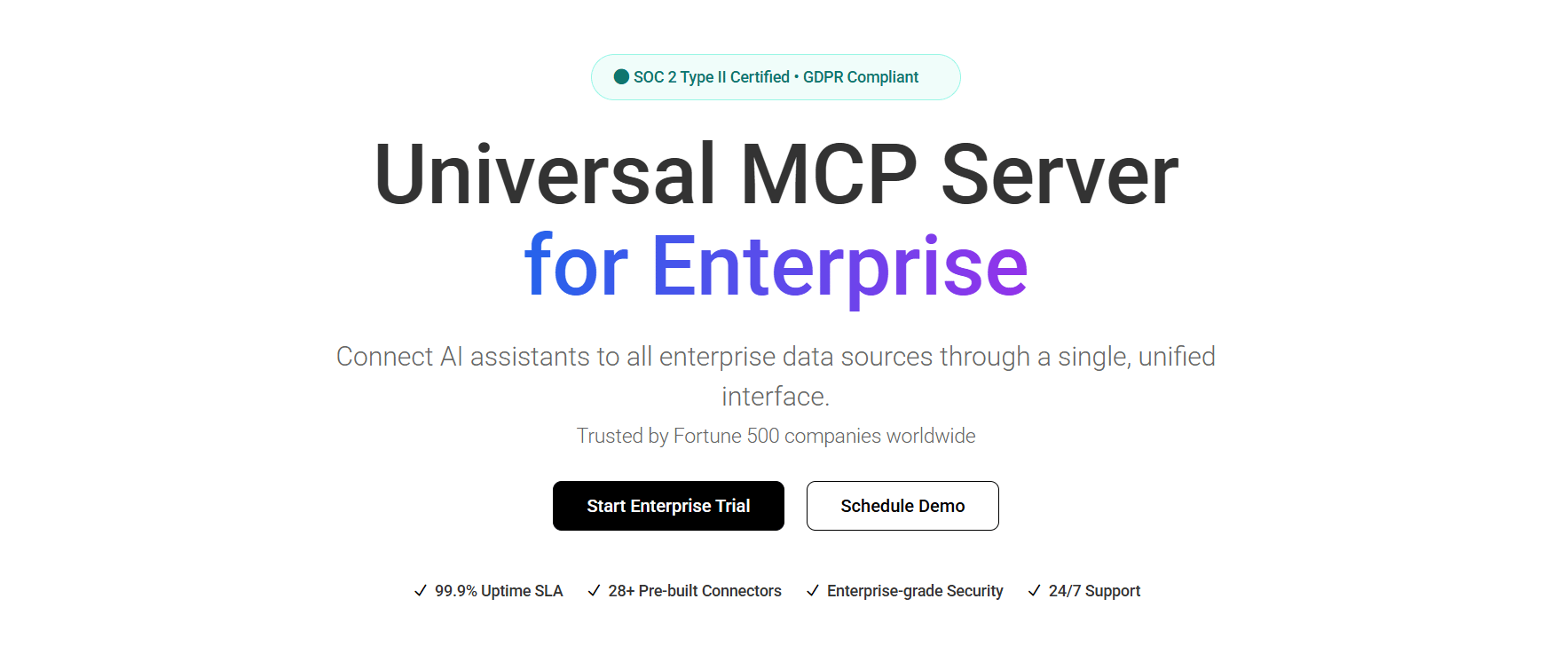
This philosophy of building on open, interoperable foundations is precisely what drives the mission of Towards MCP.
Just as MDM provides the trusted layer for your data, the Model Context Protocol (MCP) establishes a universal framework for your AI agents to securely access and act upon that data.
It is the crucial "process and people" layer for AI, ensuring that your powerful models can be orchestrated safely and effectively across your entire enterprise. By embracing standards like MCP, you ensure that your AI infrastructure is as well-governed and future-proof as your data.
Ready to build a governed, composable AI future?
Warm regards,
Shen and Team