How AI is Creating Self-Managing Data Ecosystems
The Autonomous Future.

Shen Pandi
October 01, 2025

Of all the disciplines you could have built your career in, you chose one of the most complex and foundational: data management.
So, the news that the Data Management Association (DAMA) is officially launching the DMBOK 3.0 likely sparks a familiar mix of excitement and deep curiosity.
This isn't just another textbook; it's the global cornerstone of your profession, a document that will define the discipline for the next decade, just as DMBOK 2.0 has since 2017.
But this landmark initiative, set for release in July 2027, forces you to confront a critical question:
In an era defined by the explosive rise of AI, what must a modern data management framework focus on to stay relevant to your work? The old perspectives are no longer sufficient.
Based on years of collective experience, research, and conversations with experts and practitioners, here are four reflections to guide your approach and prepare your organization for the future.
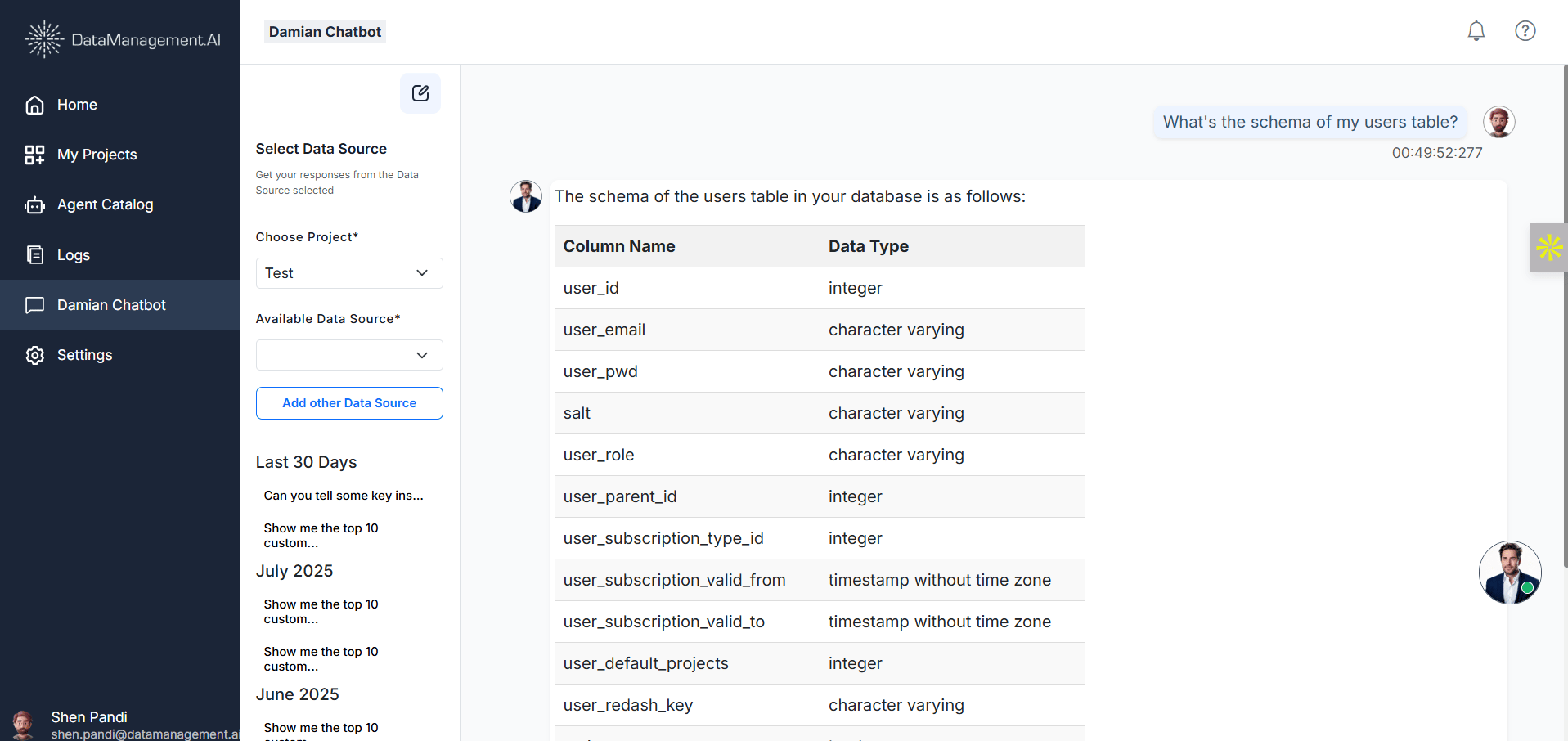
In this new landscape, a platform like DataManagement.AI, built on the principles of the Context Cloud, is no longer a luxury but a necessity for translating these principles into practice.
1. You Must Become a Holistic Data Practitioner

It’s time to broaden your own concept of data management into a truly holistic discipline. This means you must embrace every data-related activity, from analytics and visualization to AI governance, not as peripheral tasks, but as core components of a unified system.
You’ve long known that eliminating silos is key to governance, yet the fragmentation of skills persists, often favoring hyperspecialization over the cross-disciplinary knowledge you now need.
For you, this means advocating for organizational structures that balance deep vertical expertise with clear, shared layers of common knowledge.
A data architect on your team must understand data strategy; a visualization expert must be sensitive to data quality.
This holistic view is precisely what the Context Cloud enables. By providing a unified, semantic layer across all your data assets, it ensures that everyone in your organization, regardless of their primary role, operates from a single source of contextual truth, breaking down the silos that hold you back.
2. You Must Prioritize Strategy Over Technology Fascination
Let’s be honest: it’s easy to be seduced by the next big thing. Yesterday it was machine learning, today it’s RAG, and tomorrow it will be AI agents. But you know the underlying methodologies often remain the same.
What your organization truly needs from you is not a chase for shiny tools, but a clear strategy, good questions, and measurable objectives.
As Data Management evolves, what's the MOST critical skill to integrate? |
Too many organizations you’ve seen repeat the same mistake: they chase innovation without purpose, failing to embed AI sustainably. Your role is to learn from this. You must be the one to ask the right questions and build structures that serve real needs.
This is where a strategic platform makes all the difference. DataManagement.AI allows you to build your strategy first.
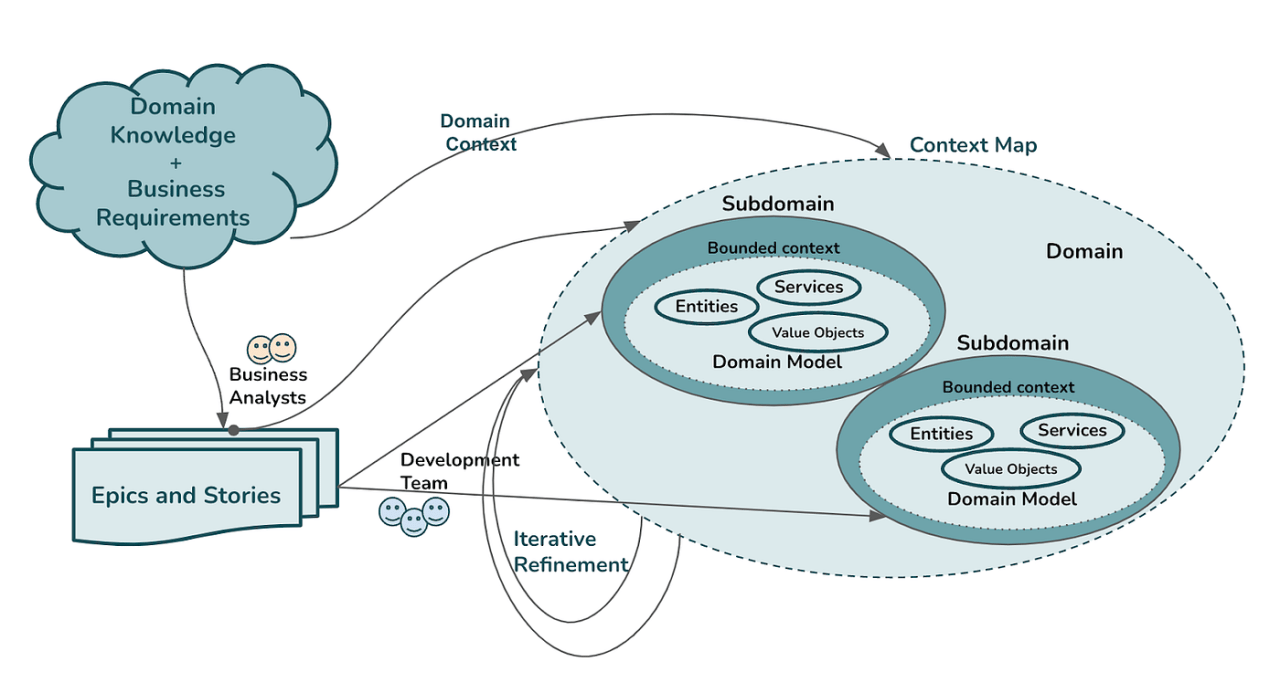
Its Context Cloud architecture ensures that technology serves your business objectives, not the other way around, by making your data intelligible and actionable based on your specific strategic goals, not just a vendor’s generic features.
3. You Must Place Value at the Absolute Core

Never forget the ultimate goal: you are here to generate value. You are not obliged to collect, store, or analyze data unless it brings a tangible benefit, whether business or social.
Data monetization, especially the indirect kind, remains a vastly underutilized pathway. As a leader, you should constantly be asking, “Why are we doing this?” If the answer doesn’t point clearly to a value, the effort is meaningless.
Your framework must make value explicit and measurable. This requires connecting every data initiative to a business outcome, a capability that is central to the value-generation engine of the Context Cloud.
By understanding the relationships and provenance of your data, DataManagement.AI helps you trace the direct line from a data quality improvement to a cost saving, or from a new data product to a revenue stream, ensuring that every effort you oversee is justified by a clear return.
4. You Must Champion the Human Factor

If AI feels like a bubble, it’s because humans, driven by uncontrolled enthusiasm, create bubbles. You know that success or failure ultimately depends on your people. Technology and strategy are nothing without the individuals who execute, excel, or fail.
Yet, organizations consistently underinvest in careful hiring, cohesive team building, and leadership that understands team dynamics.
Your focus must expand to cultivate this human element. You need to build teams that are not just technically skilled but also collaborative and strategically minded.
The right tools can empower these teams by removing friction and amplifying their talents. This is the final piece of the puzzle.
A platform designed around the Context Cloud does more than manage data; it empowers your people.
DataManagement.AI provides the common language and intuitive interface that allows your multidisciplinary teams to collaborate effectively, turning your human capital into your greatest asset.
But empowering your team is only half the battle. To truly lead, your enterprise must also master the strategic narrative.
This is where TowardsMCP comes in.
While DataManagement.AI provides the technical foundation for unified data, TowardsMCP provides the intellectual foundation for unified strategy.
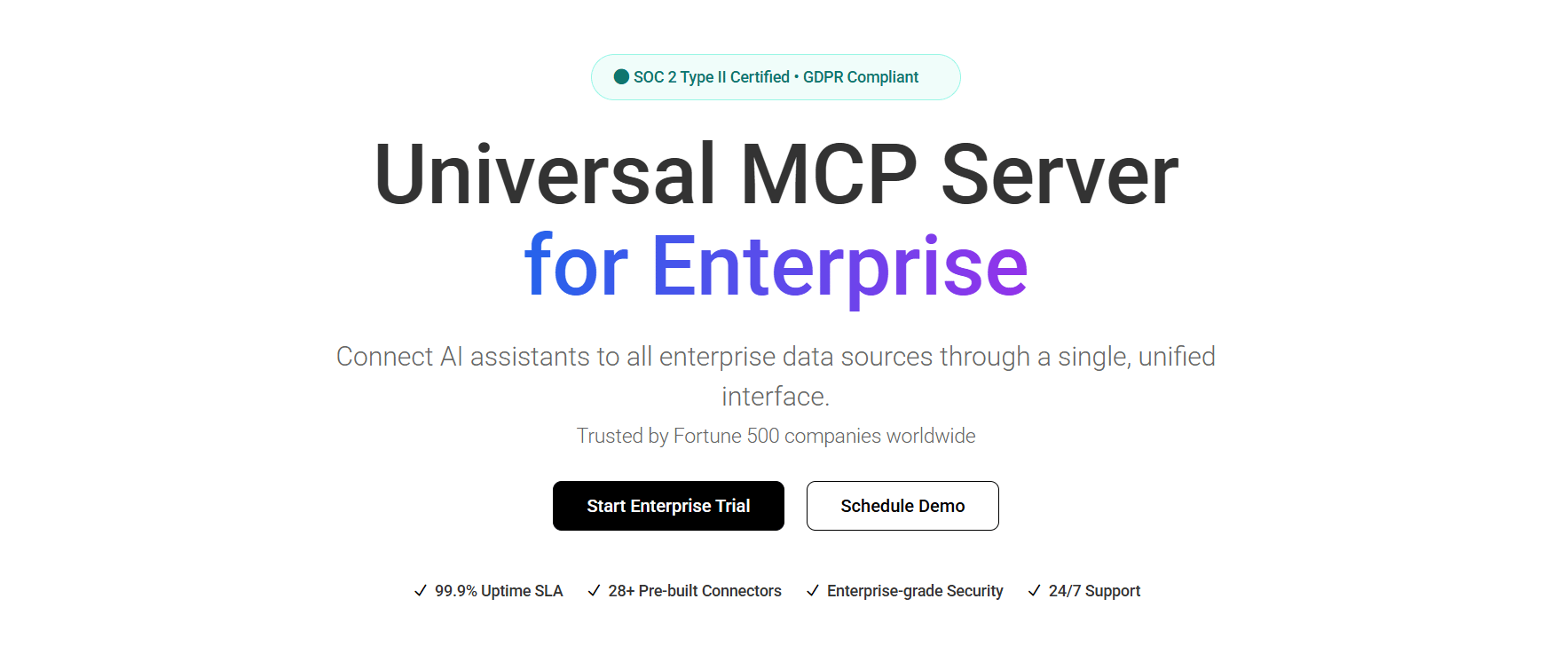
It is the premier executive briefing on the Model Context Protocol (MCP), cutting through the hype to deliver the strategic insights you need to harness the next seismic shift: the era of AI Agents.
For enterprise leaders, understanding MCP is no longer optional; it's a strategic imperative.
Will It Affect You?
Multidisciplinarity, strategy, value, and the human factor are the four pillars you must build upon.
Frameworks like the DMBOK are invaluable; learn them like a pro. But as Picasso noted, you must then learn to break them like an artist.
Your path is clear: develop competencies that span all data disciplines, focus relentlessly on strategy and value, and cultivate your teams.
To do this in the age of AI, you need a foundation that supports this artistic execution. You need a platform that embodies the holistic, strategic, value-driven, and human-centric approach you’re striving for.
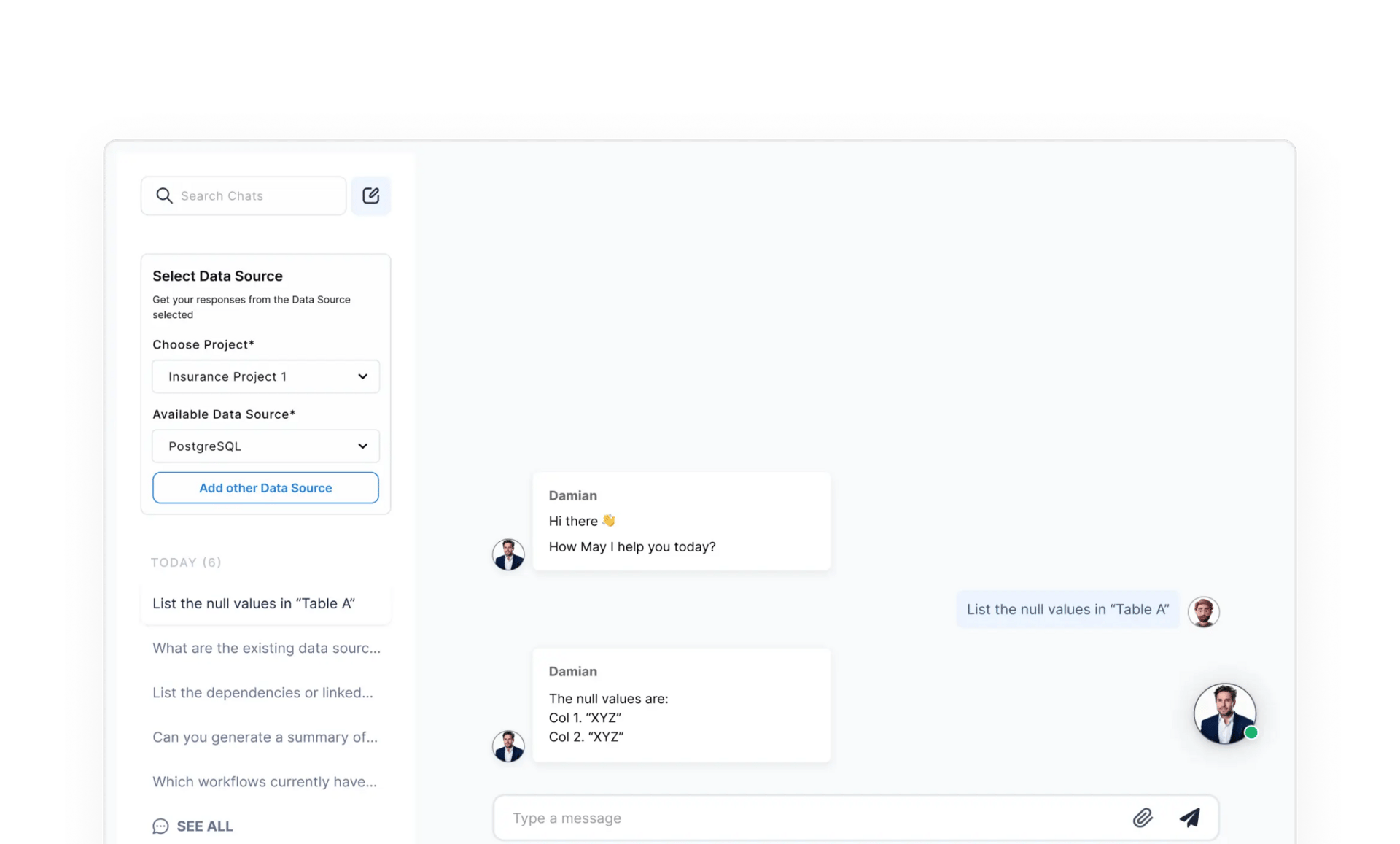
This is the promise of the modern data management paradigm, a promise fulfilled by the Context Cloud and the powerful capabilities of DataManagement.AI. It is the canvas upon which you can finally paint your masterpiece.
Warm regards,
Shen and Team