From P&G TO Q2, How Leading Companies Master Their Data
Top 6 Case Studies in Effective Management.

Shen Pandi
August 29, 2025

In the current data-driven scenario, your organization's greatest asset is also its greatest challenge, which is information. It’s a need of the hour to explore how you can establish robust data governance frameworks, ensure high data quality, and leverage effective management practices to drive informed decision-making and achieve your strategic objectives.
Today, we are going to introduce you to a bunch of company case studies, so that you can avoid certain mistakes and steps to attain successful “Data Management” syndrome.

The simplest workflow that you would have ever come across
Coming to the successful data management, our DataManagement.AI is empowering leading enterprises to turn this vision into reality, providing the tools needed to implement comprehensive governance, automate quality control, and unify data access securely at scale.
If you have an enterprise, we have exclusive plans for you as it is a one tool for all solutions with expandable capabilities.
The case studies below show you a range of proven strategies used by leading companies to manage their data assets effectively.
From implementing comprehensive data policies to utilizing advanced technologies and fostering a culture of data stewardship, you will find actionable insights to enhance your own data governance and management processes.
Learn how you can address challenges like data privacy, compliance, and integration while maximizing the value of your data through improved accessibility and reliability.
1. Procter & Gamble (P&G): Centralizing Master Data for Global Control
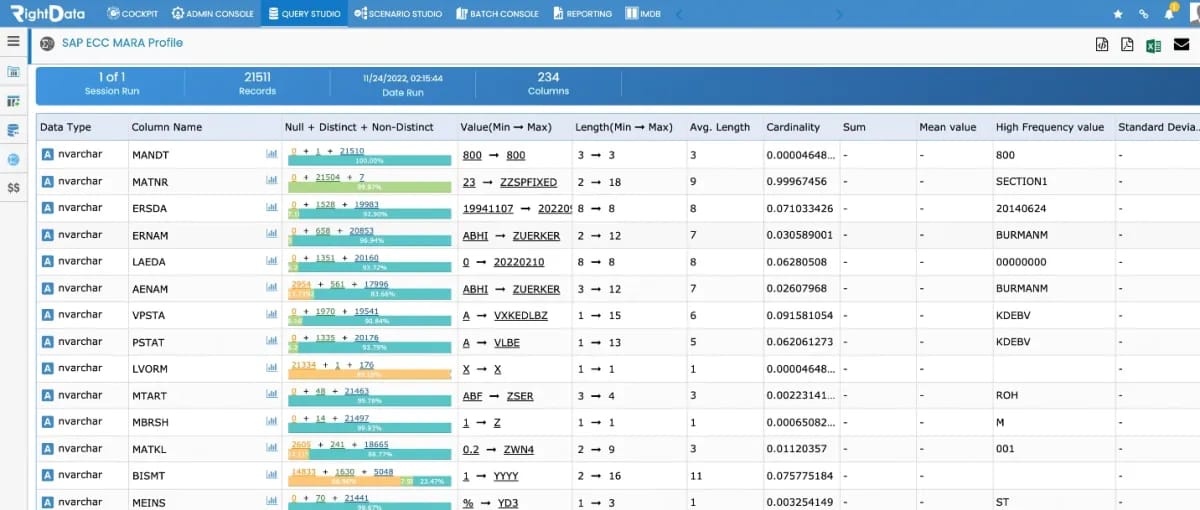
P&G struggled with a fragmented and complex data landscape. With 48 separate SAP instances and decentralized business units managing their own data, the company faced significant inefficiencies.
Identifying and reconciling data errors was a slow, manual process, creating operational risk and hindering decision-making.
The Solution & Outcome
P&G implemented a centralized data quality and governance strategy. This involved deploying specialized software to manage over 32 SAP instances and billions of records, alongside a new Data Quality Assurance and Control (DQA/DQC) plan.
Boosted Productivity: Automated processes replaced weekly manual data downloads and reconciliations, freeing up data stewards and eliminating manual errors.
Reduced Risk: The initiative minimized data leakage and duplication, significantly lowering compliance and financial exposure.
Enabled Data-Driven Decisions: Management gained timely access to performance dashboards and health reports for actionable insights.
2. Uber: Taming Petabyte-Scale Data for Real-Time Analytics
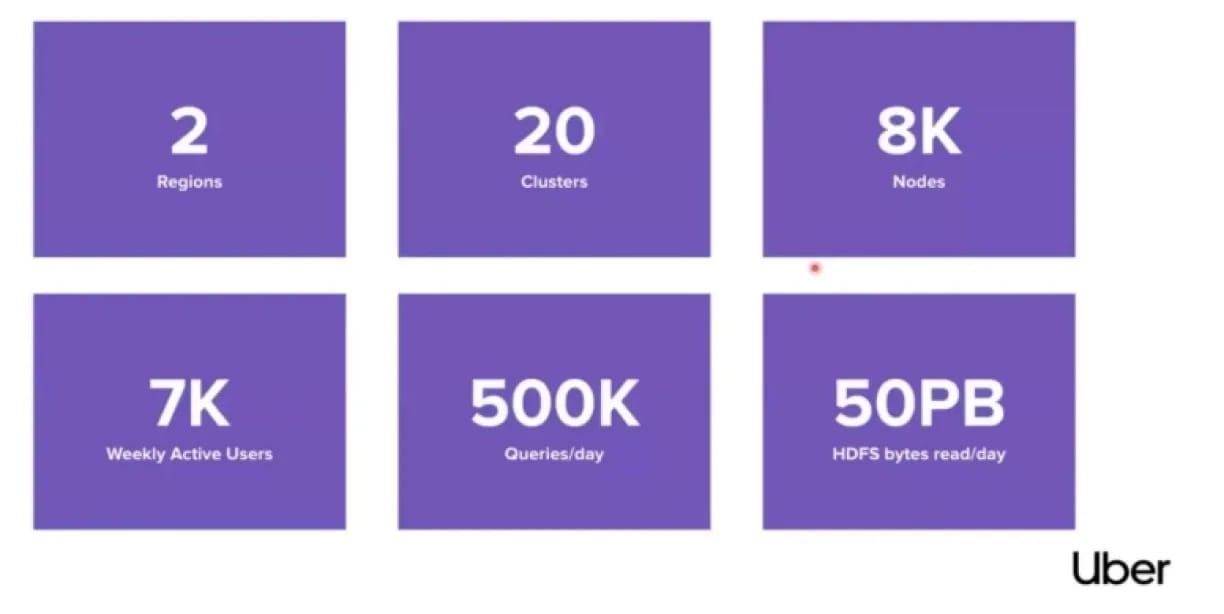
Uber’s massive scale, 256 petabytes of stored data, and 18 million daily rides, overwhelmed traditional data systems.
The company needed to support 12,000 monthly analysts running 500,000 daily queries without sacrificing speed or performance, a feat impossible with conventional databases.
The Solution & Outcome
Uber adopted a distributed SQL query engine as the core of its data ecosystem. This allowed them to:
Run Federated Queries: Seamlessly query data from multiple, disparate sources.
Manage Massive Workloads: Implement granular strategies to isolate traffic and prioritize queries for speed or accuracy.
Achieve Real-Time Analytics: Integrate with Apache Pinot to process live data with low latency for immediate insights.
Build Custom Governance: Create tailored functions (like geospatial analysis) specific to their business needs.
3. JPMorgan Chase: Breaking Down Silos with a Data Mesh
As the largest U.S. bank, JPMorgan Chase was hindered by data silos across its business lines.
This decentralized structure made it difficult to discover, share, and govern data securely at an enterprise level, complicating compliance and risk management.
The Solution & Outcome
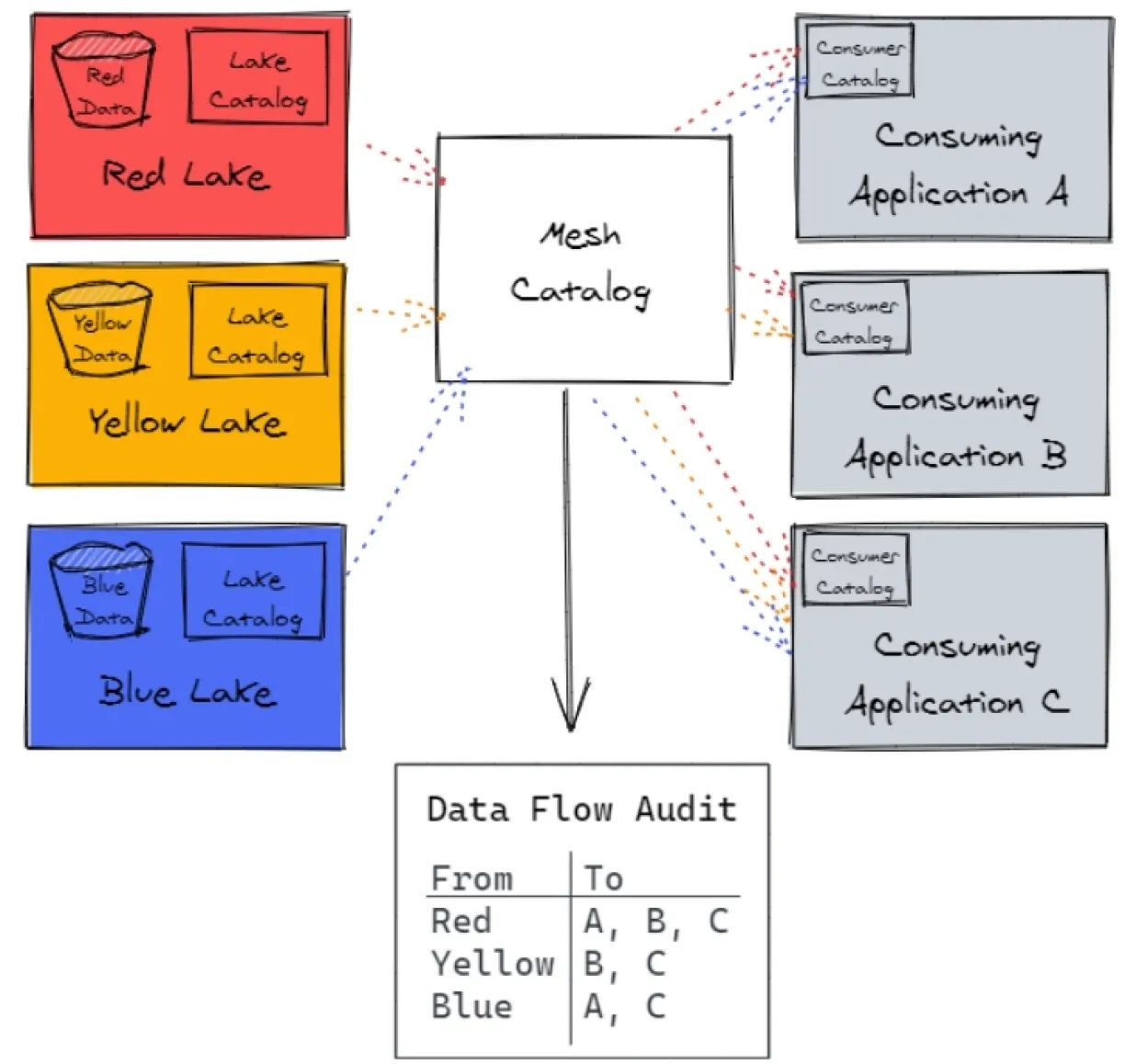
The bank pioneered a data mesh architecture, a decentralized approach that empowers individual domain teams to manage their own data as products while adhering to central governance standards.
Empowered Data Owners: Domain teams gained control over their data lakes and could make risk-based decisions for their specific products.
Gained Enterprise-Wide Visibility: An AWS Glue Data Catalog provided a single source of truth, allowing everyone to discover and access data across the organization securely.
Enhanced Auditing & Quality: The mesh catalog tracks all data usage, making it easy to audit for compliance and identify quality issues or inconsistencies instantly.
At DataManagement.AI, we believe true value isn't found in creating new data silos or stagnant data lakes, but in breaking them down.

How DataManagement.AI works
Delivers Insights, Not Just Information: We transform raw, chaotic data into clear, contextualized insights ready for decision-making.
Provides Integrated Tools: Our platform offers a unified suite to govern, unify, and activate your data all in one place.
Governs Your Entire Ecosystem: Establish robust data quality, security, and compliance policies across all sources.
Unifies Disparate Data: Break down silos and connect data from across your entire organization into a single source of truth.
Activates Data for Value: Turn your unified data ecosystem into a dynamic engine that drives strategic decisions and innovation.
See how DataManagement.AI delivers a silo-free, democratized, and actionable data foundation for your business.
4. Panasonic: Achieving Full Data Visibility and Control
Panasonic's Smart Mobility Office, which develops transportation safety solutions, was inundated with massive data streams.
The company struggled to manage 3TB of IoT, weather, and geospatial data generated weekly, leading to unclear data origins and difficulty governing access appropriately across business units.
The Solution & Outcome
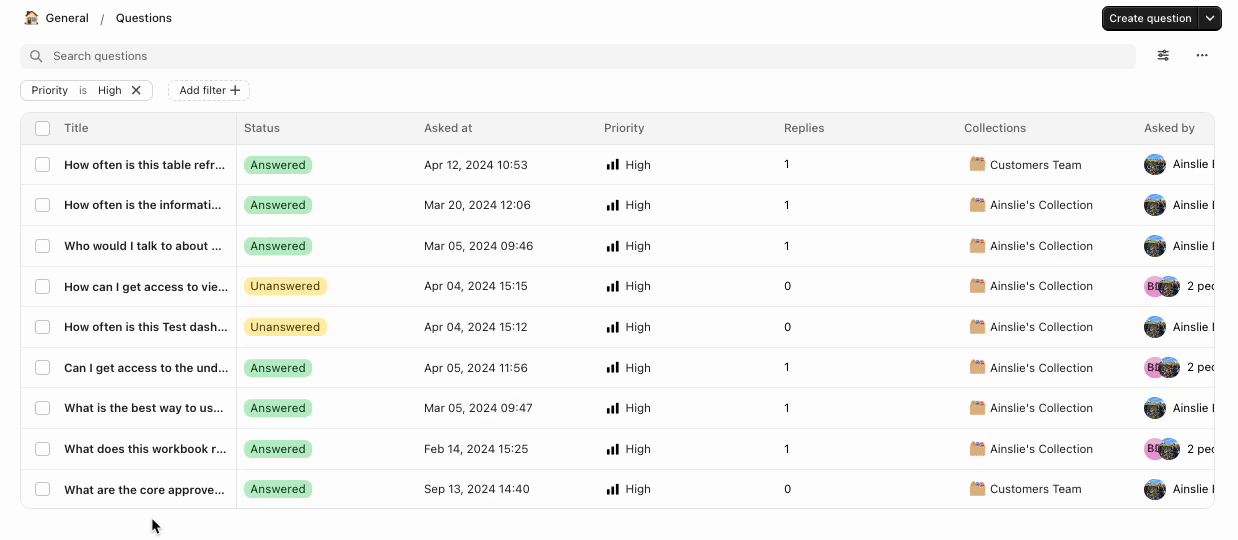
Panasonic implemented a centralized data governance platform to bring clarity and control to its data ecosystem.
Established a Single Source of Truth: Created a centralized data hub with complete lineage tracking, visualizing data flow from source to end-use, and built a structured documentation system to explain data logic and insights.
Implemented Role-Based Security: Leveraged RBAC (Role-Based Access Control) to ensure users could only access data relevant to their role, significantly improving security and structured data ingestion across business units.
5. Unilever: Streamlining Global Operations with Master Data Management
Operating in 190 countries with over 400 brands and a supply chain involving thousands of suppliers and over a billion consumers, Unilever faced extreme complexity.
The lack of a unified Master Data Management (MDM) system led to inefficiencies and inconsistencies, particularly in slow, cumbersome vendor onboarding processes.
The Solution & Outcome
Unilever partnered with an MDM solutions provider to digitize and centralize its management of vendor, customer, and product data, implementing a new process in 40% of its countries.
Centralized Global Data: Consolidated disparate data points from across its record systems and applications into a single source, dramatically improving data quality, efficiency, and operational speed.
Empowered Teams with Low-Code Tools: Utilized no-code/low-code capabilities to give business teams more direct control over master data management.
Drastically Accelerated Onboarding: Reduced vendor onboarding time from days to just hours, streamlining global HR operations.
6. Q2’s Biller Direct App: Securing Sensitive Data with Cloud-Native Compliance
Q2, a digital banking provider, launched a new Biller Direct app that would handle over 250,000+ sensitive credit card numbers, subjecting them to strict PCI DSS compliance regulations.
Their existing data centers and cloud environments were not designed for this, requiring a completely separate, secure infrastructure to avoid exposing their entire operation to the compliance scope.
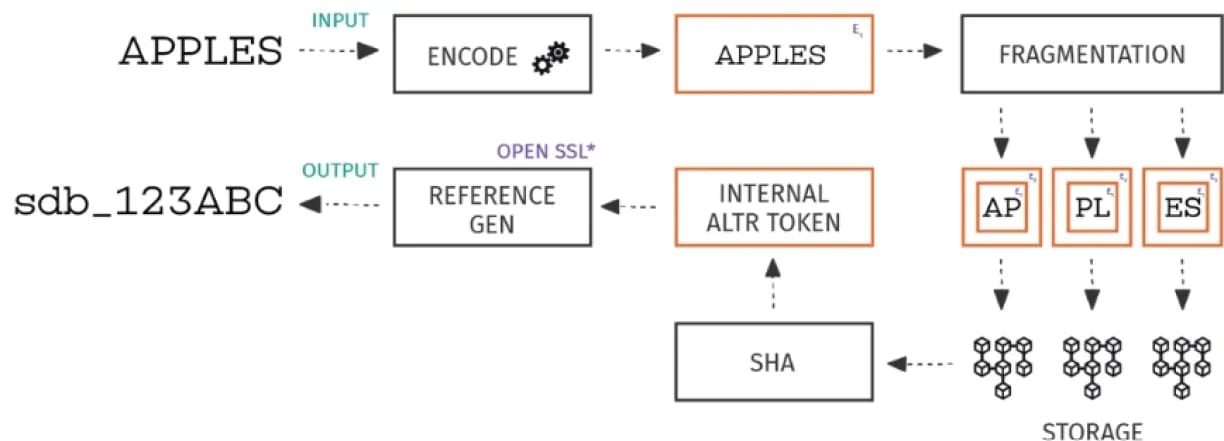
The Solution & Outcome
Q2 adopted ALTR’s Data Security as a Service to build a dedicated, compliant environment for the Biller Direct app and achieve PCI Level 1 certification.
Implemented Advanced Tokenization: Replaced sensitive credit card numbers with valueless tokens across the application, securing the original data while maintaining seamless system functionality.
Enabled Real-Time Security Monitoring: Gained real-time capabilities to detect breaches, track all data access, and automatically enforce security policies, protecting against credentialed threats and SQL injection attacks.
Join Us in Advancing Data Management!
Tired of data trapped in isolated systems and inaccessible lakes? DataManagement.AI eliminates silos and democratizes data access across your organization.
We empower every team with actionable, trustworthy insights, not just raw information, so you can make faster, smarter decisions.
Ready to take the leap?
Don't let outdated approaches hold you back.
Warm regards,
Shen and Team