5 Non-Negotiable Data Management Rules For Security, Compliance, And Quality
This is where AI Data Governance becomes your competitive edge.

Shen Pandi
August 20, 2025
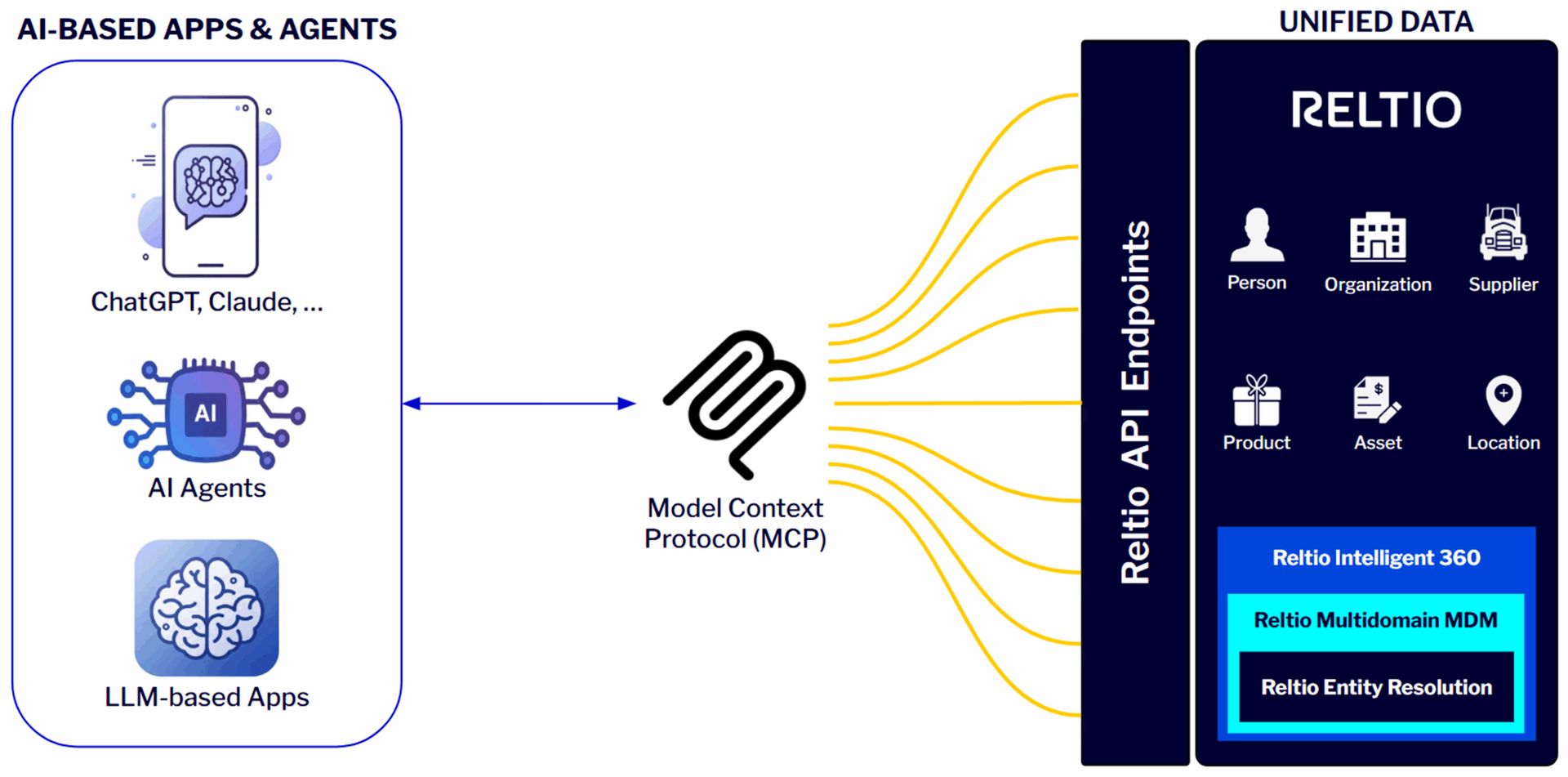
Are you witnessing a revolution in enterprise technology as generative AI transitions from experimental projects to core business applications?
According to McKinsey's 2024 Global AI Survey, early adopters are already seeing substantial benefits; 39% report decreased operational costs, while 44% credit AI with driving revenue growth.
At present, your AI systems thrive on terabytes of data. But along with this power comes a huge responsibility, ensuring the security, compliance, and quality of that data. This is where AI Data Governance becomes your competitive edge.
If you want your AI initiatives to be reliable, ethical, and future-ready, you need strong governance processes.
Here are five best practices you can start applying right now.
1. Build a Strong AI Data Governance Framework
The foundation of responsible AI starts with a clear governance framework. This acts as the “constitution” of your AI strategy, defining how data flows through your organization from collection to retirement.
A strong framework should include -
Data Ownership & Accountability
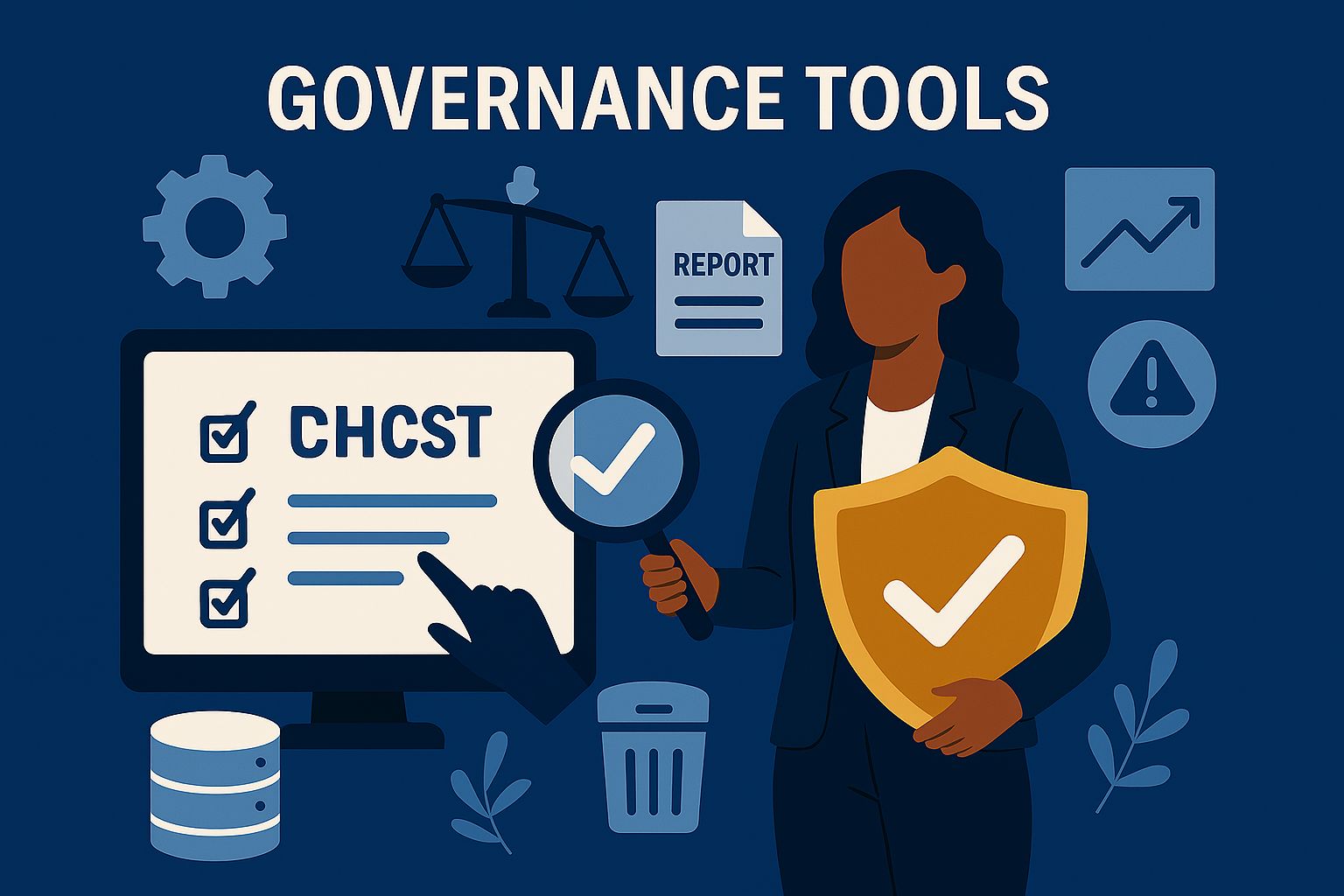
Assign explicit ownership to each dataset and AI pipeline. By making it clear who is responsible for managing, updating, and securing the data, you eliminate ambiguity and encourage accountability.
For example, in healthcare, assigning data stewards ensures patient information aligns with HIPAA requirements.
Compliance & Ethics
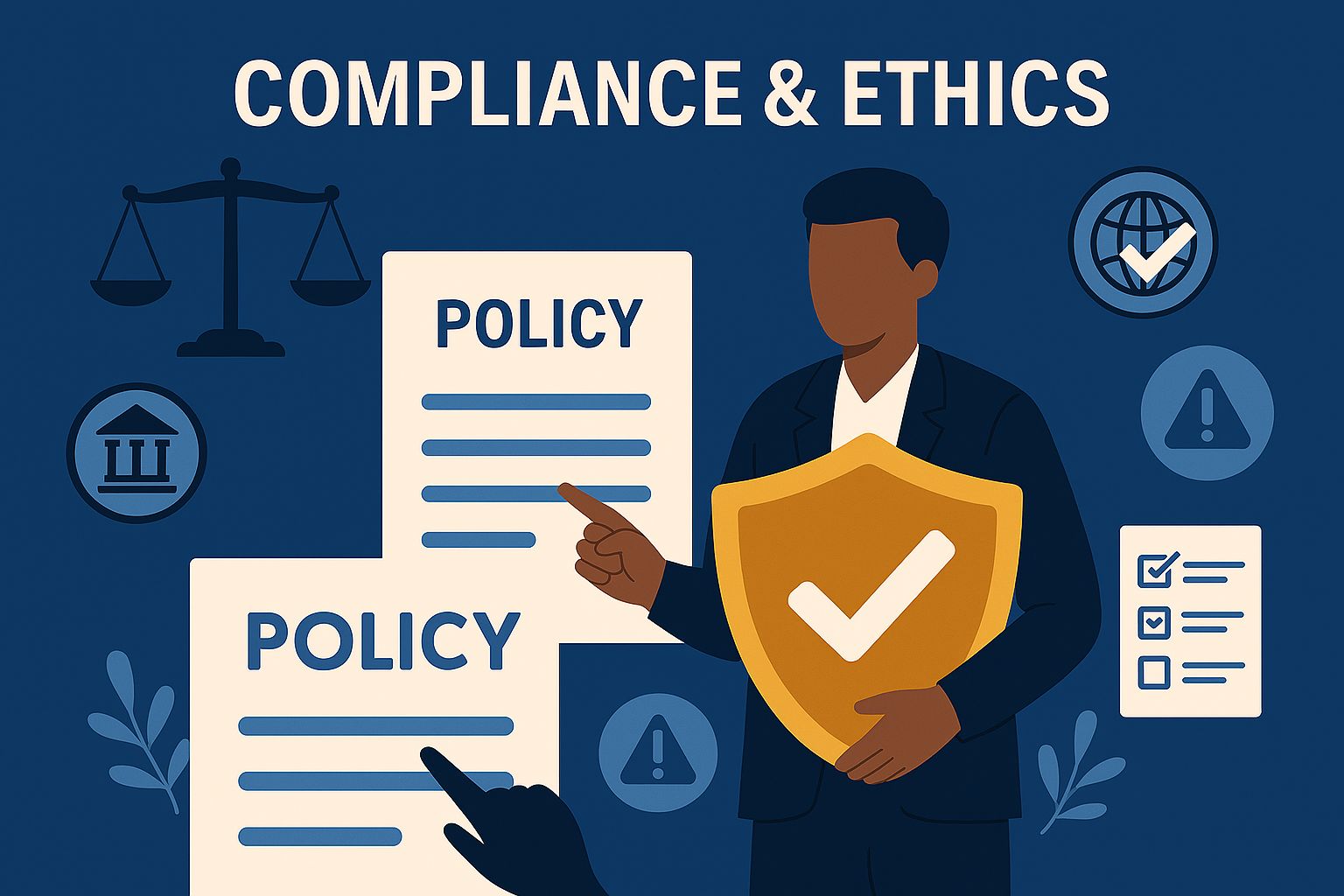
AI should operate under strict adherence to global privacy regulations such as GDPR, CCPA, HIPAA, and ISO standards.
Beyond compliance, ethical frameworks (e.g., OECD AI principles) ensure AI decisions are fair and transparent.
Data Lifecycle Management
Every piece of data should have a defined start and end point. From collection to transformation, storage, sharing, and deletion, lifecycle rules prevent data bloat and minimize security risks.
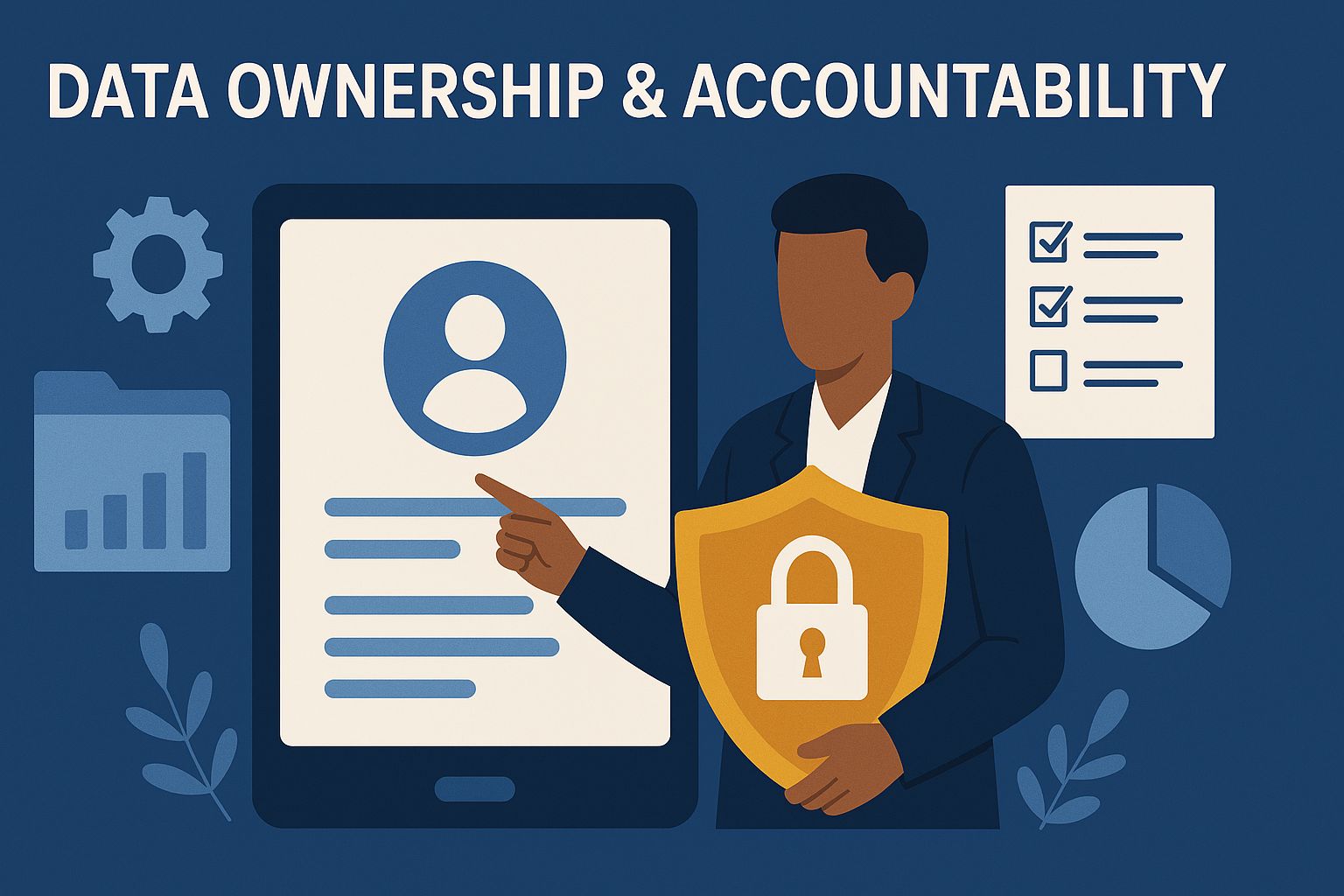
Governance Tools
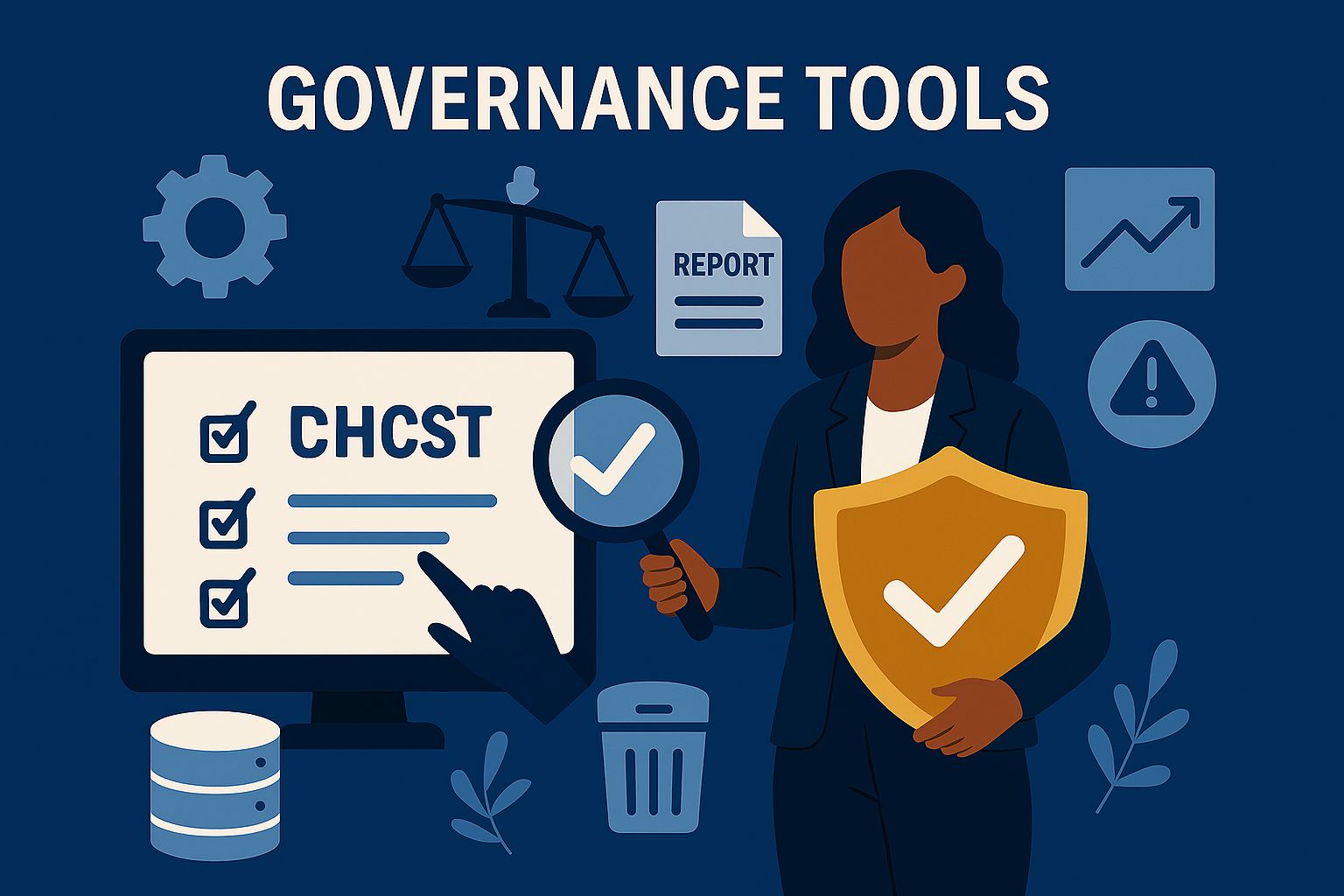
Manual enforcement is prone to error. Automated platforms like DataManagement.AI help streamline governance by integrating compliance checks, version control, and audit trails, reducing human errors while keeping AI pipelines compliant from day one.
2. Tackle AI Governance Challenges Head-On
AI governance is far from simple. Enterprises face a landscape full of obstacles, from legal restrictions to ethical dilemmas. But if tackled proactively, these challenges can become opportunities for competitive advantage.
Major Challenges
Bias & Fairness Issues
Since AI learns from data, it can inherit and amplify human biases. Biased credit models, for example, may unfairly reject applicants based on race or gender.Privacy & Security Risks
With sensitive customer and employee data at stake, AI systems are vulnerable to breaches. Privacy risks extend to unintended data leaks in large language models (LLMs).Compliance Complexity
Global businesses must juggle multiple overlapping regulations (GDPR in Europe, HIPAA in the US, PDPA in Singapore, etc.).A one-size-fits-all governance approach simply doesn’t work.
Lack of Standards
Every industry defines governance differently; what works in finance won’t necessarily apply to healthcare or retail.
Solutions
Run regular AI audits to detect bias and compliance gaps.
Enforce strong encryption and access control to safeguard sensitive datasets.
Stay updated on evolving regulations, build flexible policies that can adapt.
Tailor governance practices to your specific industry rather than applying generic frameworks.
3. Leverage AI Data Governance Tools
Manual governance processes are slow, inconsistent, and error-prone. In today’s fast-paced AI ecosystem, automation is not optional; it’s essential.
How do AI tools help?
Automated Compliance Checks
Tools continuously monitor whether datasets align with GDPR, HIPAA, and internal data policies, flagging issues in real time.Metadata Management
By capturing contextual details about data (source, usage, access history), tools ensure transparency and lineage tracking.Risk Monitoring
Advanced AI platforms can predict potential risks, such as exposure of sensitive data or biased training sets, before they impact production systems.
Instead of juggling multiple tools, DataManagement.AI integrates governance, compliance, and security into one unified solution, simplifying workflows while reducing costs.
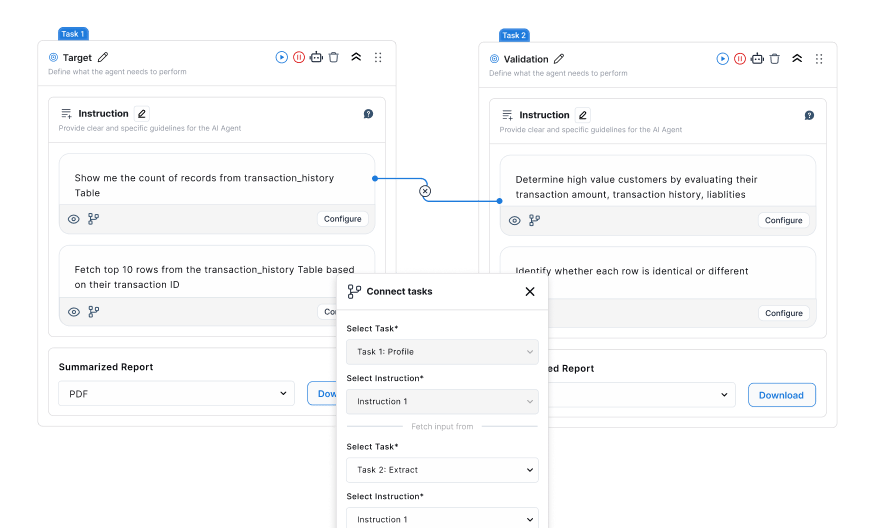
If you want any services for Enterprises, we have plans for it. It is a one tool for all solutions with expandable capabilities.
4. Enforce Strict Governance Policies
Policies are the practical backbone of AI governance. Without clear rules, even the most advanced tools cannot guarantee ethical or compliant outcomes.
Policy Areas to Focus On:
Data Access & Security
Define who can access what data, under what conditions, and with what level of approval. Role-based access prevents unauthorized use.Ethics & Fairness
Ensure policies explicitly outline how models should be trained to avoid unfair bias. For instance, mandate the inclusion of diverse datasets in recruitment AI tools.Regulatory Alignment
Policies must map directly to GDPR, HIPAA, and other applicable frameworks. This ensures your company is always audit-ready.Data Quality Standards
Poor data = poor AI. Establish strict rules on accuracy, completeness, and validation to prevent flawed datasets from skewing results.
Best Practices
Transparency - Ensure AI decisions are explainable, especially in industries like healthcare and finance.
Human Oversight - Keep humans in the loop for high-stakes decisions.
Continuous Monitoring - Regularly update policies as risks evolve.
5. Build a Culture of AI Governance Awareness
Technology alone can’t solve governance issues; people and culture are just as important. Governance should be embedded in the DNA of your organization.\
Culture-Building Steps
Employee Training
Equip teams with knowledge about AI governance, ethics, and compliance through continuous workshops.Cross-Department Collaboration
Governance isn’t just for IT. Involve HR, Legal, Compliance, and even Marketing in shaping governance practices.Measure & Track KPIs
Track metrics like data accuracy, compliance rates, number of incidents, and time-to-resolution. KPIs help identify gaps in governance adoption.Promote Accountability
Reward teams that follow governance best practices, creating positive reinforcement.
As AI adoption accelerates, your success depends on how well you manage data governance. By setting up a strong framework, addressing challenges, leveraging the right tools, enforcing policies, and fostering awareness, you can build resilient, ethical, and legally compliant AI systems.
Get Started Today
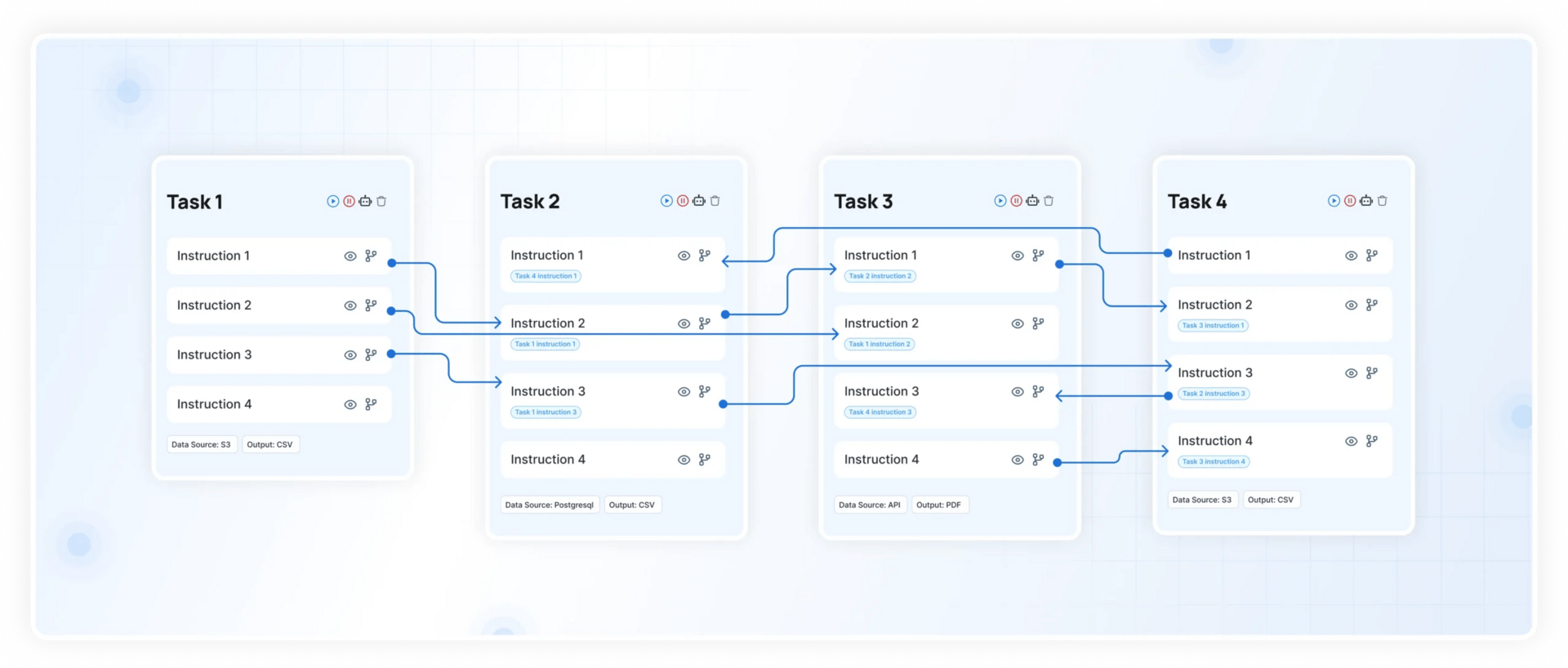
Stop struggling with complex data workflows. Try DataManagement.AI’s Visual Canvas and experience the future of effortless, AI-powered automation.
Take the first step!
Warm regards,
Shen and Team